Mind & Wellbeing
Articles (33)
Signs of Narcissistic Abuse and How to Recover
PublishedNarcissistic abuse is a repeated pattern of emotional control like gaslighting. Here are the signs to notice and steps to recover and rebuild self-trust.
Signs of Emotional Abuse and Where to Find Support
PublishedEmotional abuse is a repeated pattern of control through words and pressure. Learn the signs to notice, and find free, confidential help lines in the U.S.
Daily Habits That Support Mental Wellbeing
PublishedMoving a little, sleeping enough, staying connected, and noticing the present are daily habits that support mental wellbeing. Here's a simple place to start.
Signs of a Toxic Crush and How to Steady Yourself
PublishedA toxic crush runs on fantasy and takes over your sleep, focus, and friendships. Here's how to spot the signs of limerence and gently steady yourself.
Signs of Low Self-Worth and How Self-Compassion Helps
PublishedHarsh self-talk, deflected praise, chronic self-doubt: the common signs of low self-worth, and how self-compassion helps you respond to yourself more kindly.
Brain Benefits of Being Bilingual: Focus, Memory, and Aging
PublishedSpeaking or learning two languages sharpens focus and memory, and research links bilingualism to dementia symptoms appearing about four to five years later.
Consciousness and the Everyday States of Awareness You Move Through
PublishedConsciousness is your awareness of your thoughts and surroundings, and it shifts all day — a plain-language look at focus, mind-wandering, and sleep.
How to Break an Addiction: Evidence-Based Steps and When to Get Help
PublishedBreaking an addiction takes small, evidence-based steps plus support. Learn what works, the stages of change, and when to reach a free 24/7 helpline.
How to Train Your Brain to Enjoy Difficult Tasks Without Forcing It
PublishedTrain your brain to handle hard tasks by pairing them with rewards, shrinking the first step, and using if-then plans, backed by behavioral research.
Exercises That Sharpen Your Brain and Improve Memory: A Practical Weekly Plan
PublishedAerobic movement has the strongest research link to better memory. See what the WHO and CDC recommend, plus strength, dance, and memory drills that help.
Dark Empath Signs: Patterns to Notice in Relationships
PublishedA dark empath reads emotions well but uses it for personal gain. Learn the signs to notice, what research found, and how to protect your wellbeing.
Signs of Emotional Immaturity in a Partner: Patterns to Notice
PublishedEmotional immaturity in a partner is a steady pattern of big reactions, blame-shifting, and thin empathy. How to spot it and protect your wellbeing.
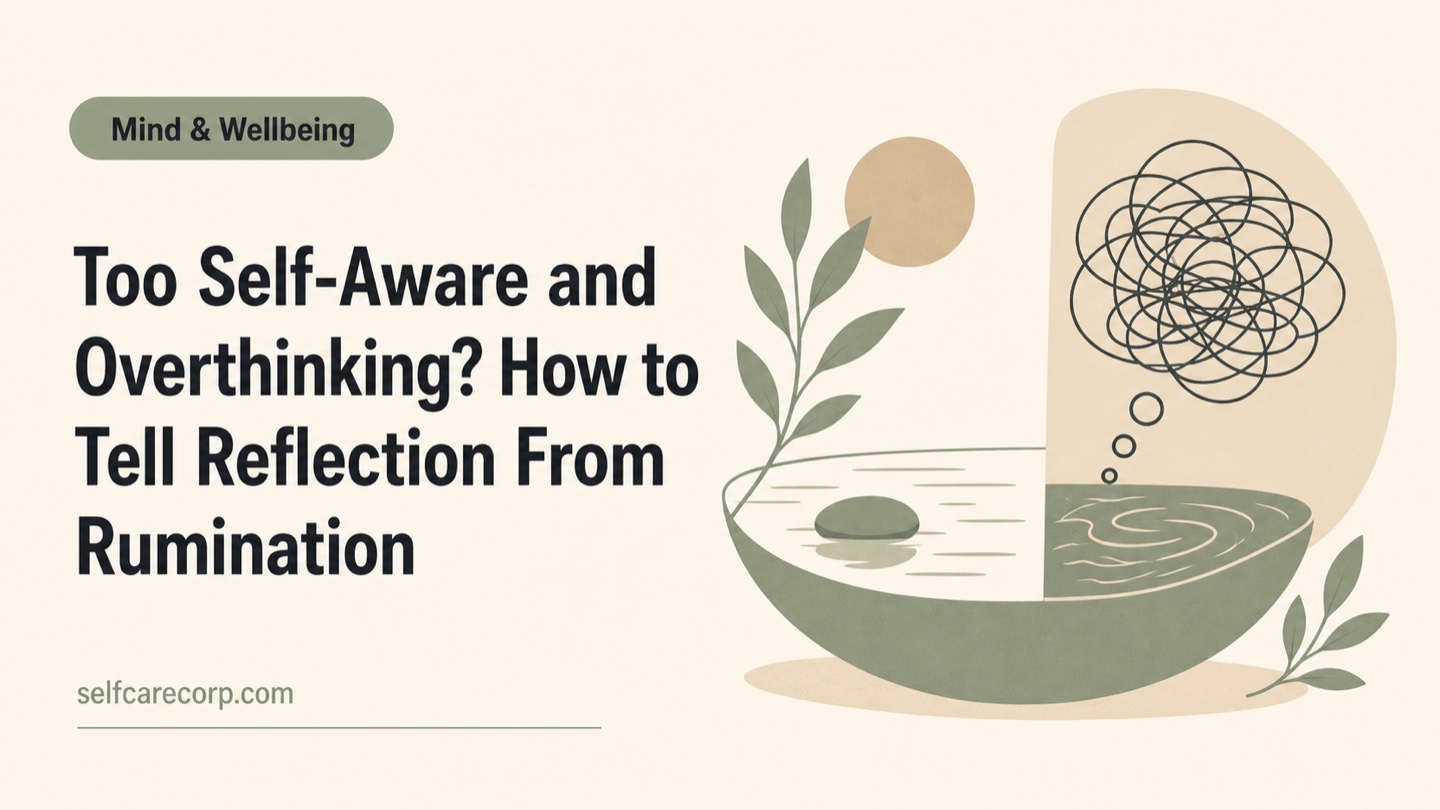
Too Self-Aware and Overthinking? How to Tell Reflection From Rumination
PublishedOverthinking often begins as helpful self-awareness. Here's how reflection tips into rumination, the signs to watch for, and simple ways to ease the loop.
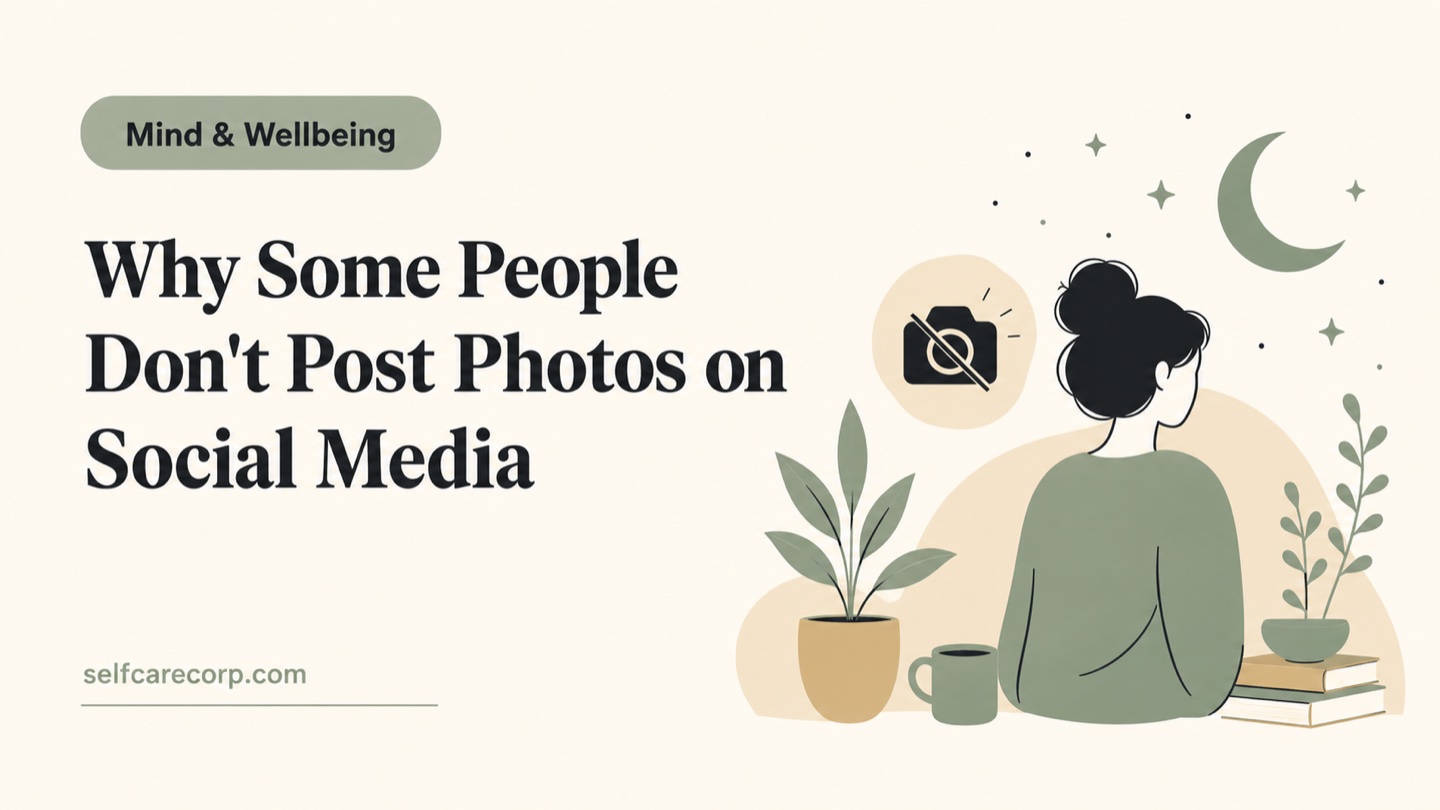
Why Some People Don't Post Photos on Social Media
PublishedSome people skip posting photos to guard their privacy, dodge comparison, or stay present. Here's the wellbeing case for posting less, or not at all.
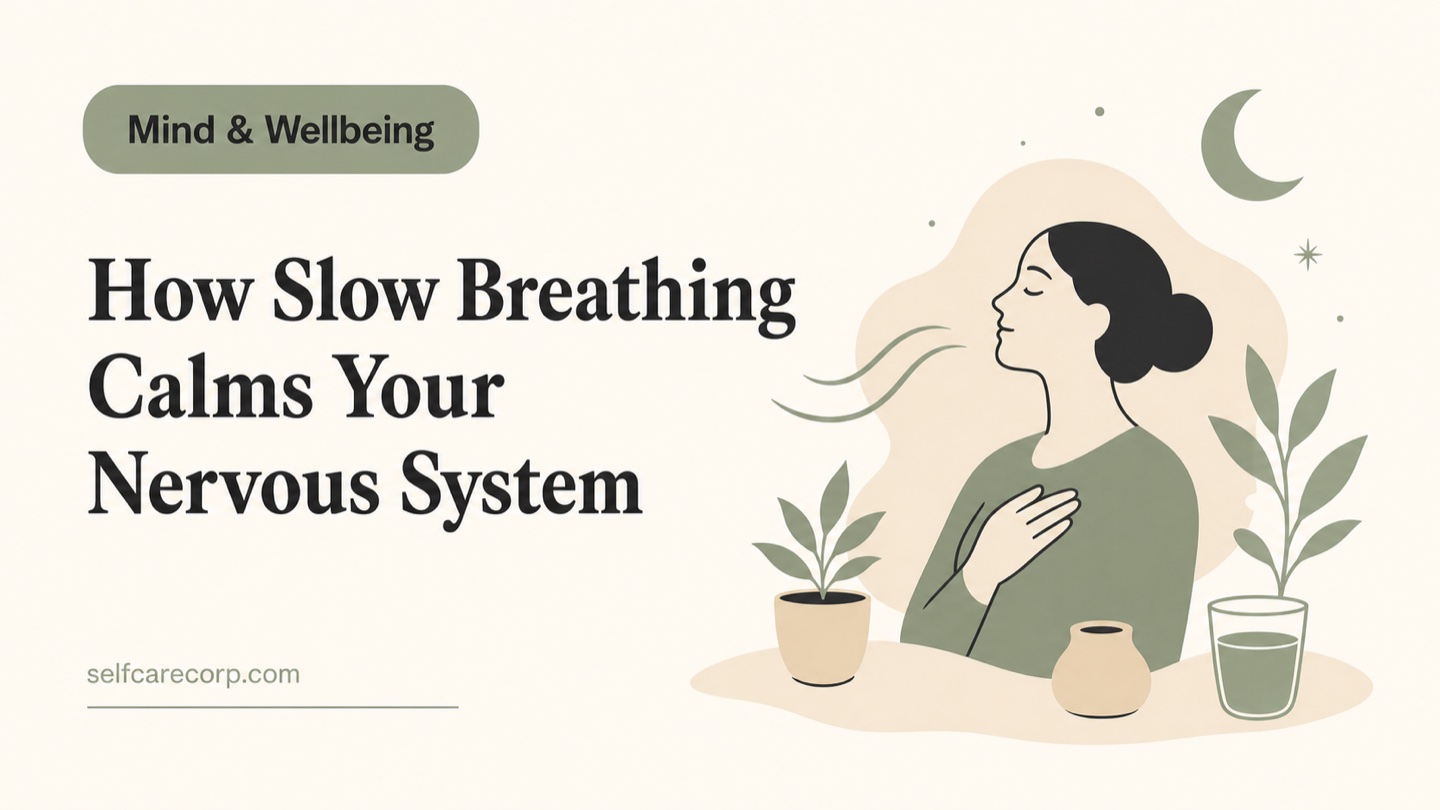
How Slow Breathing Calms Your Nervous System
PublishedSlow breathing near six breaths a minute, with a longer exhale, taps the vagus nerve and calms your nervous system. Here's why, and how to try it.
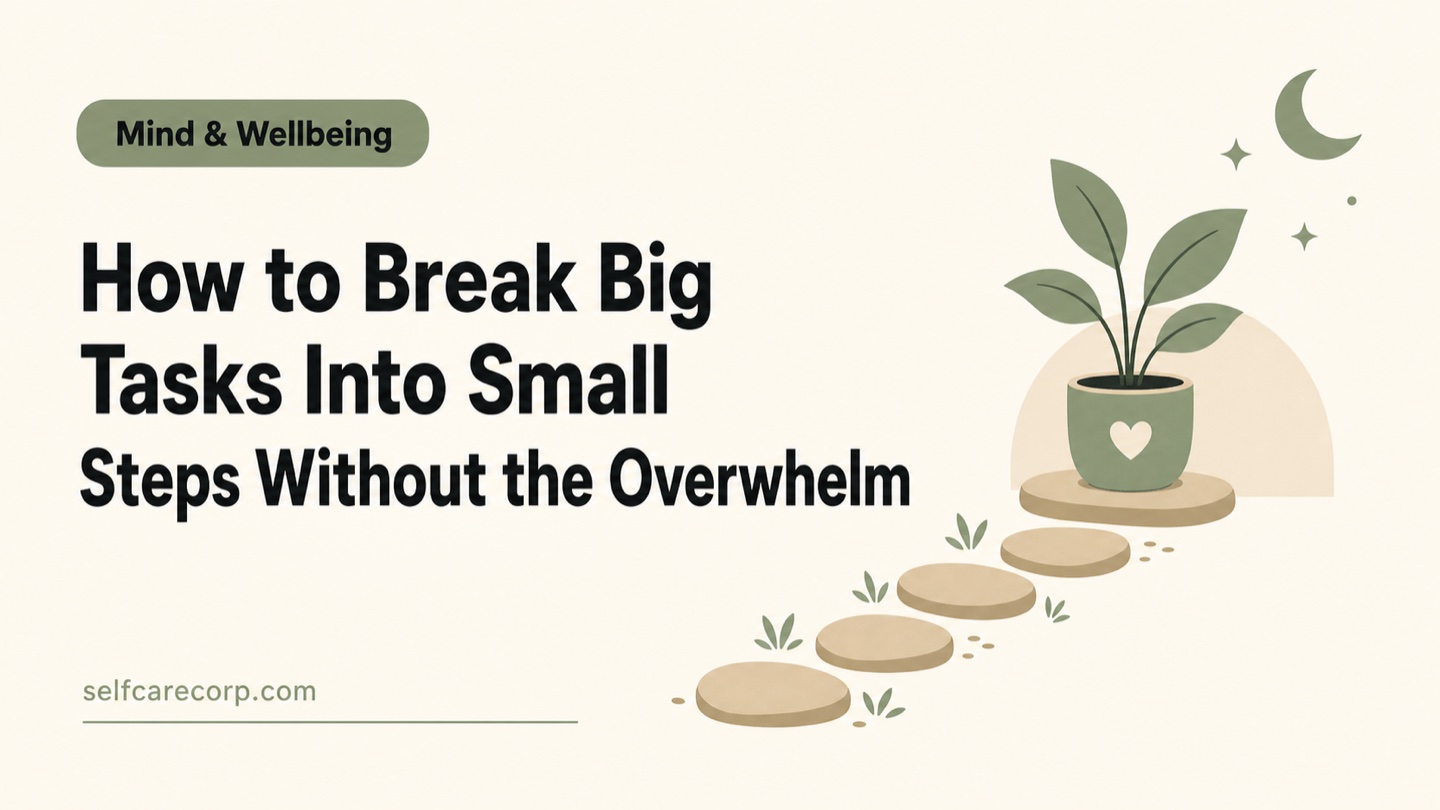
How to Break Big Tasks Into Small Steps Without the Overwhelm
PublishedBreak a big task into small steps: name what 'done' looks like, list the pieces, then shrink the first step until it takes two minutes to start.
How to Boost Serotonin Naturally With Light, Food, and Movement
PublishedSupport serotonin naturally with morning light, tryptophan-rich foods and carbs, regular movement, and better sleep. Plus when to see a professional.
Shukatsu: End-of-Life Planning as a Gentle Self-Care Habit
PublishedShukatsu is the Japanese practice of organizing your belongings, wishes, and documents while you're healthy—a calm, practical form of end-of-life self-care.
How to Find More Joy in Everyday Life, One Small Moment at a Time
PublishedEveryday joy grows from noticing and savoring small good moments. Try research-backed habits like savoring, Three Good Things, and a real thank-you.
NYC Legionnaires' Outbreak: Upper East Side Facts and Staying Calm
PublishedThe NYC Legionnaires' cluster on the Upper East Side spreads through cooling-tower mist, not tap water or people. Know the signs and stay calm.
How Spirituality and Religion Affect Mental Health: Benefits and Limits
PublishedResearch links religion and spirituality to modestly lower depression and suicide risk for many people, plus what can hurt and simple habits to try.
Type 2 vs Type 3 Diabetes: What the Terms Actually Mean
PublishedType 2 diabetes is a recognized insulin-resistance condition. 'Type 3 diabetes' is an informal research term for Alzheimer's, not an official diagnosis.
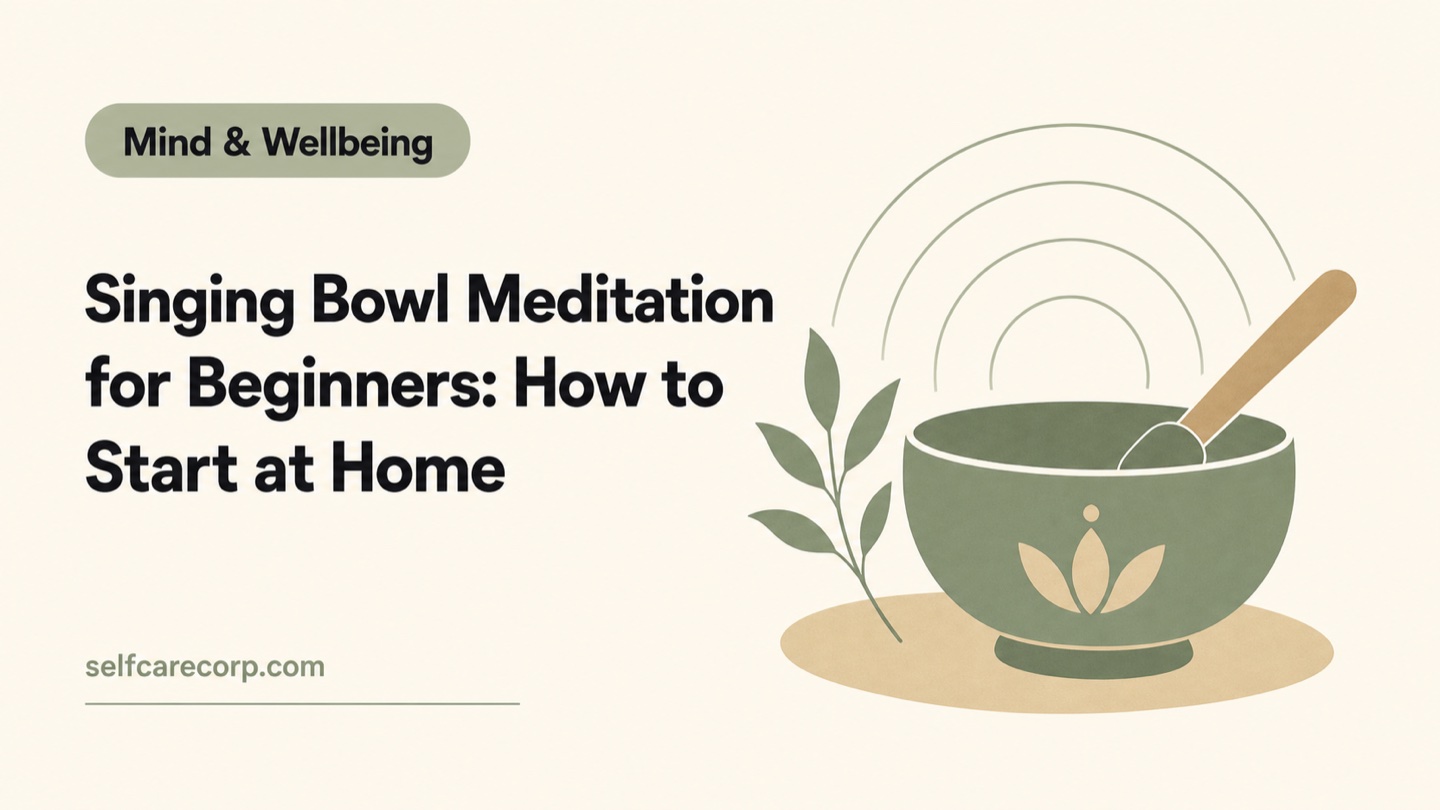
Singing Bowl Meditation for Beginners: How to Start at Home
PublishedSinging bowl meditation for beginners: what you need, how to strike and circle the bowl, and a simple 10-minute practice you can try at home today.
Signs of High Cortisol: What to Notice and When It Matters
PublishedSigns of high cortisol include face and belly weight gain, muscle weakness, and poor sleep - but most overlap with stress, and only a lab test can confirm it.
How to Stop Being Too Nice at Work Without the Guilt
PublishedBeing too nice at work often means saying yes past your limits. Here's how to set kinder boundaries and speak up, using Mayo Clinic's assertiveness basics.
Flow State: The Psychology of Deep Immersion and How to Reach It
PublishedFlow is the state of full immersion in one task. Psychologist Mihaly Csikszentmihalyi named its three conditions and how to set them up day to day.
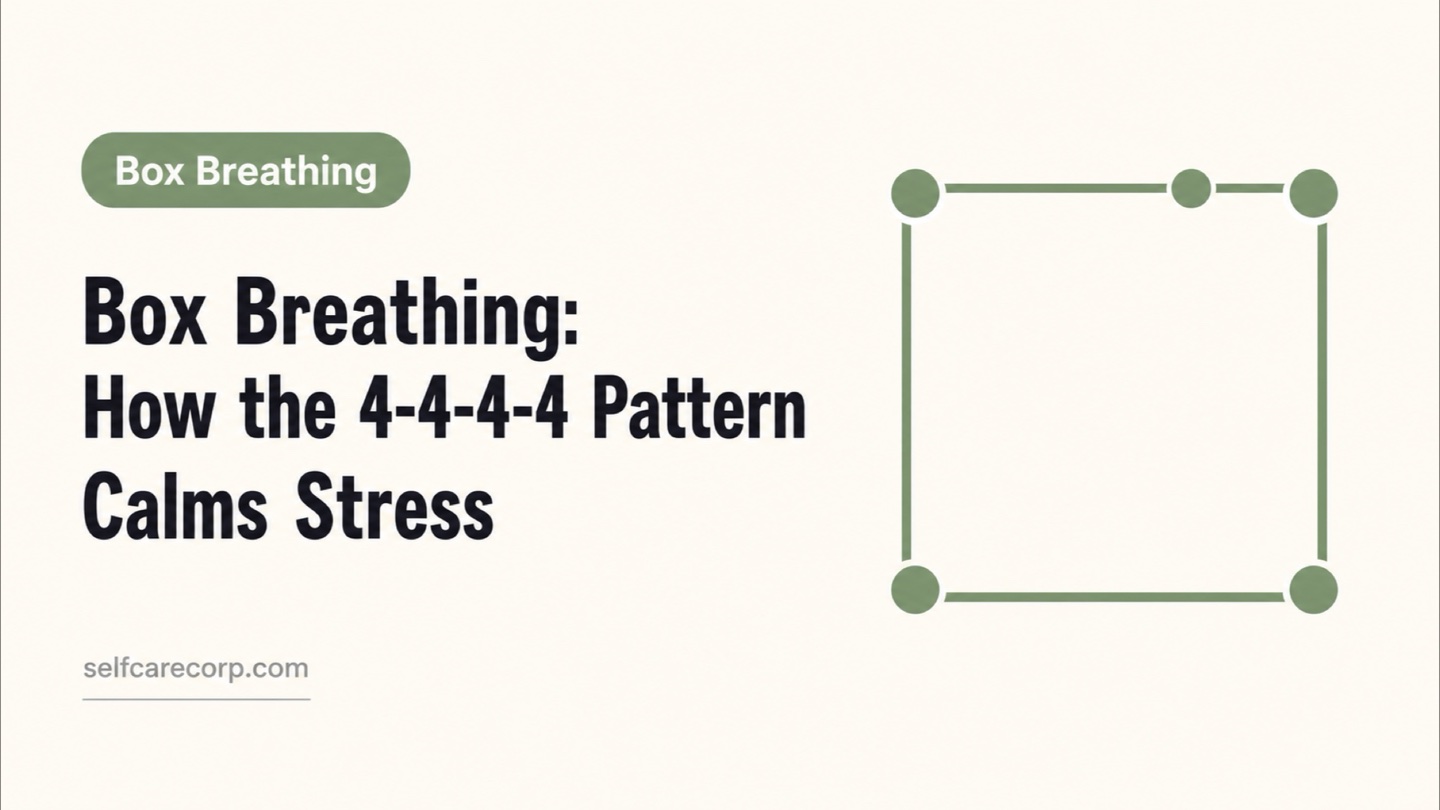
Box Breathing: How the 4-4-4-4 Pattern Calms Stress
PublishedBox breathing is a 4-4-4-4 pattern: inhale, hold, exhale, hold. Cleveland Clinic calls it a relaxation tool the Navy SEALs use to steady stress.
What Is Mindfulness? A Simple Definition and Where to Start
PublishedMindfulness means paying attention to the present moment without judgment. Here's a plain-language definition, what the research says, and simple ways to start.
Wellness Retreats: What to Expect and What They Cost
PublishedA plain-language guide to wellness retreats: what they include, typical US costs of $150 to $400 a day, and how to choose one that fits your goal and budget.
A 10-Minute Reset for a Stressful Day
PublishedSimple stress management habits — slow breathing, movement, sleep, and social support — with practical guidance from the WHO, CDC, NIH, and APA.
Mindfulness Meditation: Two Practices to Start This Week
PublishedMindfulness meditation means paying attention to the present moment on purpose. Learn how to start with five minutes a day and what NCCIH research suggests.
How to Tell When Your Work-Life Balance Is Off
PublishedWork-life balance means keeping work from crowding out rest. What the WHO says about burnout, why long weeks raise health risks, and simple habits to try.
Does Gratitude Journaling Actually Help?
PublishedGratitude journaling means regularly noting what you're thankful for. Here's how to start, plus what psychology research shows about the benefits.