Signs of Emotional Abuse and Where to Find Support
Emotional abuse is a repeated pattern of control through words and pressure. Learn the signs to notice, and find free, confidential help lines in the U.S.
Table of contents
Emotional abuse is a repeated pattern where someone uses words and pressure to gain control over how you see yourself. Common signs include constant criticism dressed up as jokes, being made to doubt your own memory, having your money or friendships controlled, and feeling like you walk on eggshells to keep the peace. If any of this sounds familiar, free and confidential help exists right now. The National Domestic Violence Hotline answers calls at 1-800-799-7233, and the 988 Suicide and Crisis Lifeline takes calls and texts at 988.
This guide is written for everyday readers in the United States who want to recognize the patterns and know where to turn. It focuses on naming what emotional abuse looks like and pointing you toward trustworthy support, not on legal advice or a diagnosis. Only you, with help from people you trust, can decide what your situation means and what to do next.
What emotional abuse actually means
Emotional abuse happens when a person uses nonviolent behavior to gain power and control over someone else. The Office on Women's Health, part of the U.S. Department of Health and Human Services, describes emotional and verbal abuse as behavior that can include name-calling, threats, isolation from friends and family, and controlling what you do or where you go. You can read its overview on the Office on Women's Health website.
The hard part is that emotional abuse rarely looks like one dramatic event. It builds through small, repeated moments. A partner might insist a hurtful comment was only a joke, or claim a conversation you clearly remember never happened. Over time those moments add up, and you can end up second-guessing your own judgment.
Common signs to notice
Most signs of emotional abuse share one thread. They slowly chip away at your sense of reality and your independence. Here are the patterns that come up most often.
- Criticism that arrives as constant jokes or as someone just being honest, so pushing back feels like you are overreacting.
- Gaslighting, where a person denies things you know happened until you start to doubt your own memory.
- Isolation, such as discouraging or blocking your time with friends and family until they become the main person in your life.
- Control over your money, your phone, or where you go, framed as concern or as a rule you have to follow.
- Unpredictable anger that leaves you managing their mood and avoiding certain topics to keep things calm.
- Threats aimed at you, people you love, or pets, used to keep you in line.
Gaslighting deserves its own note because it is easy to miss. According to the National Domestic Violence Hotline, gaslighting is a pattern where an abuser denies that events happened the way you remember, which slowly makes you question your reality and your memory. The Hotline traces the term to a 1938 stage play, Gas Light, in which a husband dims the lights at home and then insists nothing changed when his wife notices. You can find its explainer at thehotline.org.
How do you tell abuse from an ordinary rough patch?
The clearest difference is the pattern, not any single argument. Every relationship has conflict, and a bad week or a clumsy apology is not proof of abuse. Emotional abuse shows up as a repeated cycle where one person holds power over the other, and where you tend to feel smaller afterward instead of heard.
A few practical questions can help you sort this out. Do you change your behavior often to avoid a partner's reaction? Do you apologize for things that were not your fault? Do you feel more anxious or more confused than you did before the relationship started? A steady yes to questions like these points to a pattern worth taking seriously. Watching the same tactics repeat over weeks and months tells you far more than any one incident.
How the strain can show up in your body and mind
Living under constant tension takes a real toll. The Office on Women's Health notes that emotional and verbal abuse can contribute to anxiety, depression, and low self-esteem over time. You might notice trouble sleeping, a shorter temper, or a running sense that you can't do anything right.
These effects are not a personal failing, and they are not a diagnosis you can make from an article. They are signals worth paying attention to. If that constant self-doubt feels familiar, our guide to the signs of low self-worth and how self-compassion helps offers gentle first steps, and if you are trying to name a partner's behavior, the piece on emotional immaturity in a partner covers related patterns.
Where can you find support right now?
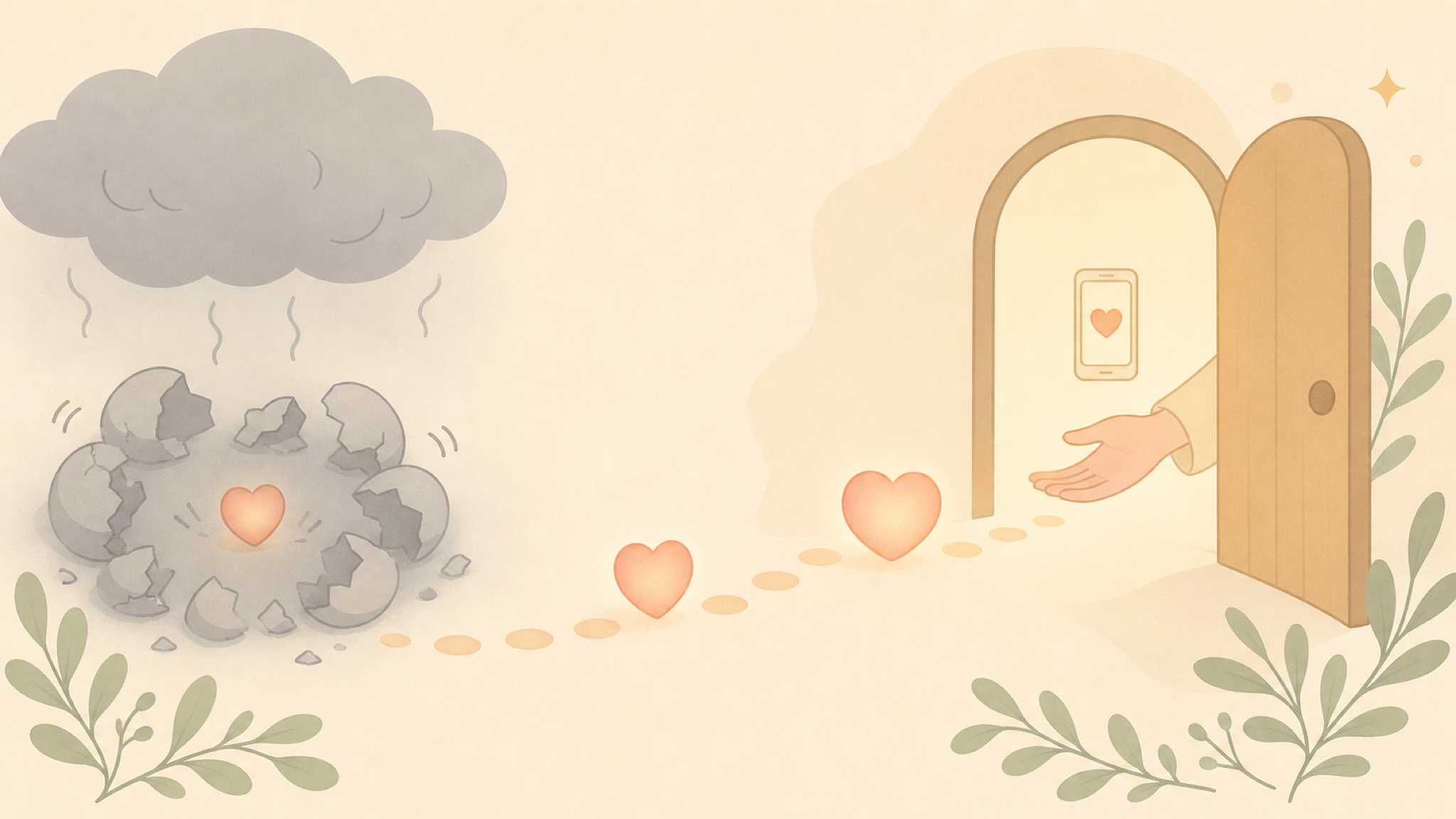
You can reach trained, confidential help for free at any hour. The National Domestic Violence Hotline says its advocates provide support, safety planning, and referrals 24 hours a day, every day of the year, in more than 200 languages. You don't need to be in physical danger to call, since help with emotional abuse is part of what they do.
| Resource | How to reach it | Best for |
|---|---|---|
| National Domestic Violence Hotline | Call 1-800-799-7233, or text START to 88788 | Abuse in a relationship, safety planning |
| 988 Suicide and Crisis Lifeline | Call or text 988 | An emotional crisis or thoughts of self-harm |
| Crisis Text Line | Text HOME to 741741 | Text-based support in a hard moment |
The 988 Suicide and Crisis Lifeline became a nationwide three-digit number in July 2022, and it is a good option for any moment that feels like an emotional crisis. If talking on the phone feels like too much, the Crisis Text Line offers support by text instead. If you are outside the United States, a local search for a national domestic violence helpline will usually point you to a similar free service.
Small first steps that can help
You don't have to make a big decision today to start protecting yourself. One quiet step is to keep a private record of incidents, with dates and a short note about what happened, stored somewhere the other person can't see. The National Domestic Violence Hotline suggests this kind of documentation can help you notice patterns and can matter later if you choose to seek help.
Another step is a safety plan, which the Hotline describes as a personalized plan for staying safer whether you stay, prepare to leave, or have already left. An advocate can walk through one with you over the phone. Telling a single trusted friend or family member, even in a small way, can also loosen the isolation that emotional abuse depends on.
Trusting what you notice
Recognizing emotional abuse is hard, especially when someone has spent months telling you that you are the problem. If your own sense that something is off keeps returning, that feeling is worth listening to. The resources above are free and confidential, open whenever you are ready, and a single call or text can be the start of getting your footing back.
This article is for general information and self-care education only. It is not medical advice, diagnosis, or treatment. For questions about your health, talk to a qualified healthcare professional.